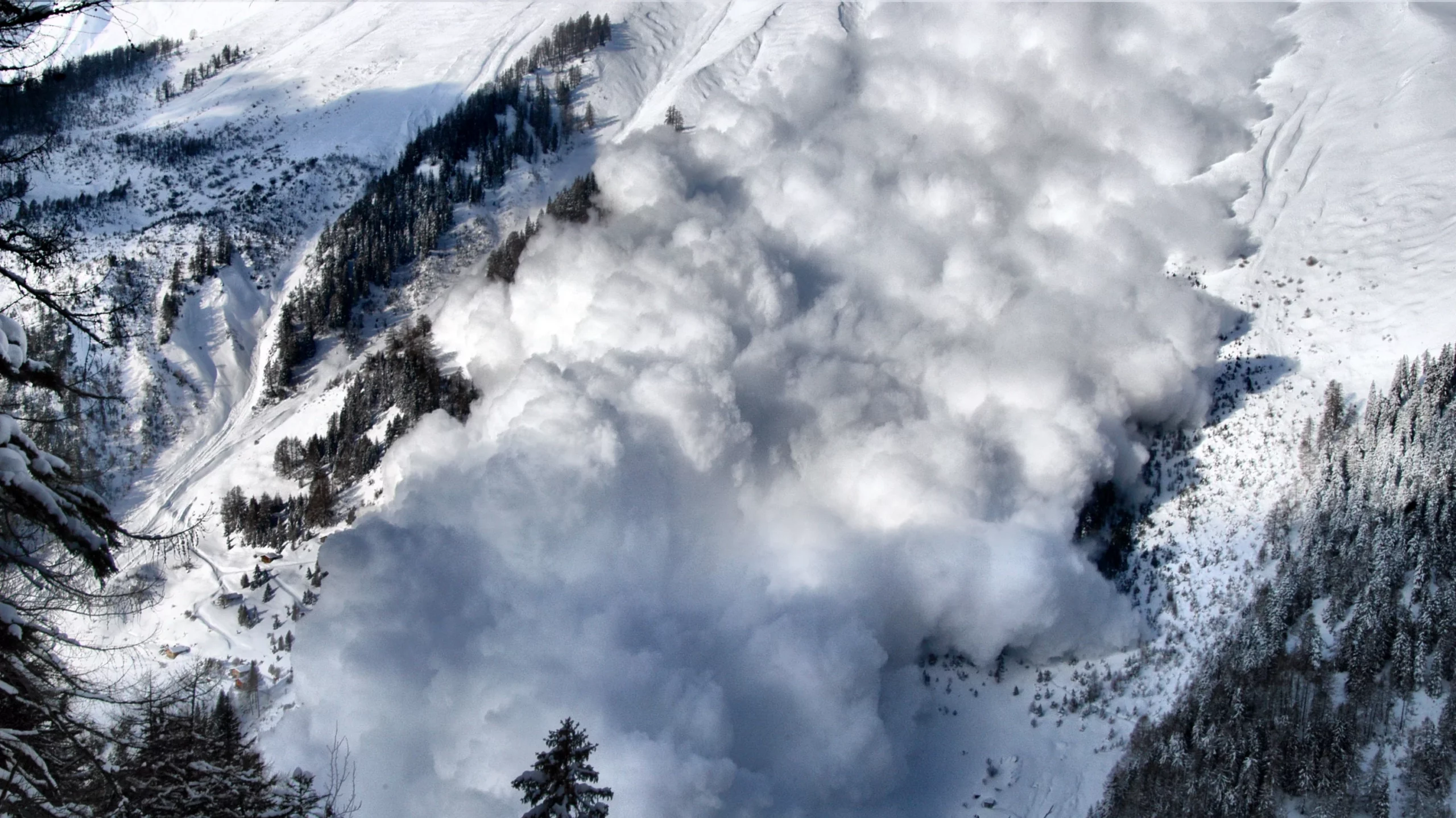
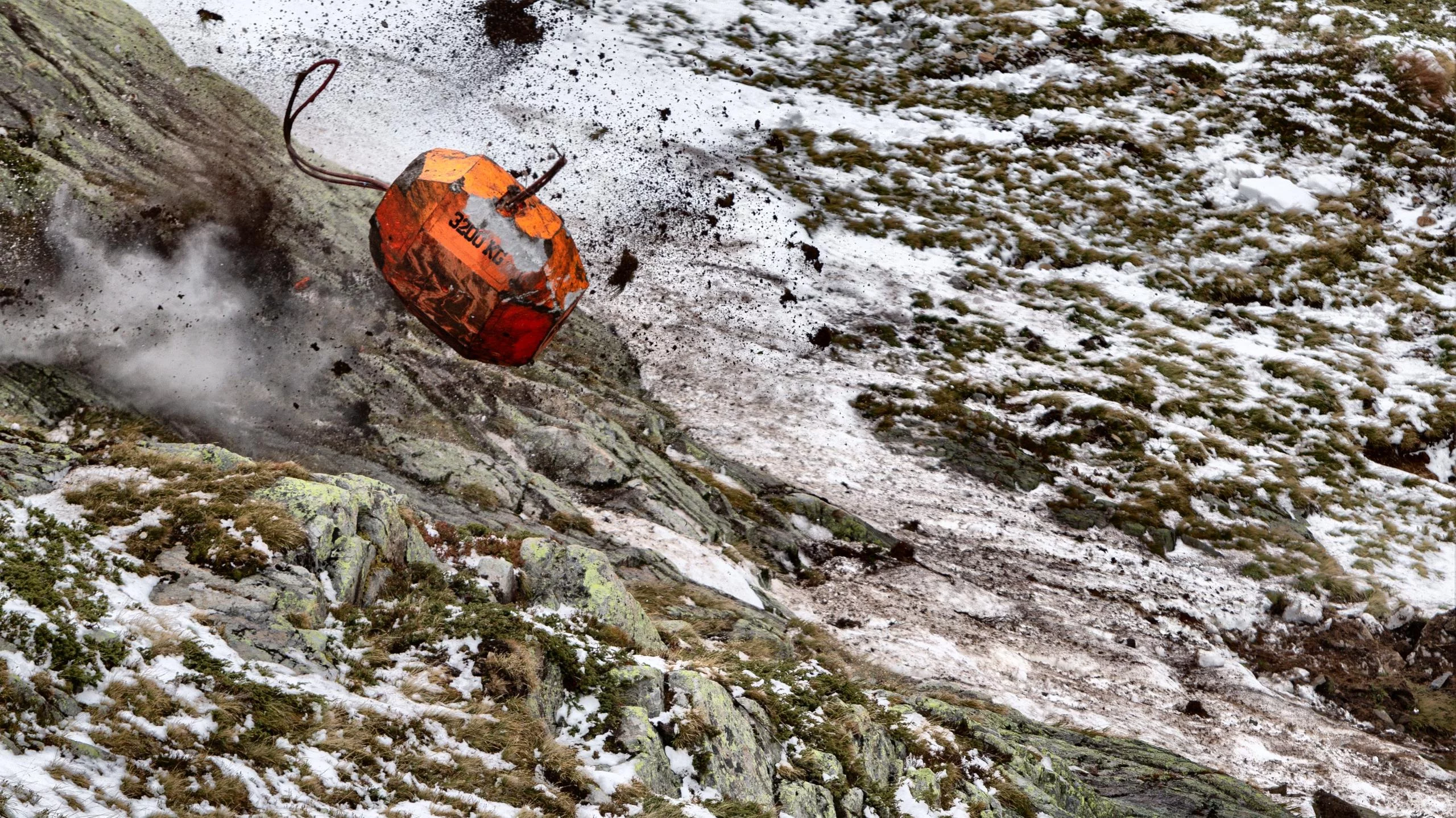
RAMMS is a physics-based modeling framework for simulating avalanches, debris flows, and rockfall. Used worldwide by engineers, researchers, and risk managers, RAMMS provides scientifically robust tools to analyze natural hazards, design mitigation measures, and support risk-informed decision making.
What’s New
Major Update: RAMMS::Avalanche & RAMMS::DebrisFlow
A major new release is now available, featuring a redesigned GUI, optional NVIDIA GPU acceleration, improved file handling, and several new analysis and workflow tools. RAMMS::Avalanche also introduces PRA Release Tendency mapping, while RAMMS::DebrisFlow includes improved discharge calculations for line profiles (read the changelog document).
RAMMS::Rockfall
Build your forest from remote sensing data. The new Tree-Finder (Beta) detects single trees from a DSM and DEM, restricts them to your forest polygon, and imports their positions, heights and diameters straight into the simulation. Based on the FINT method (ecorisQ) and the FINT-CH project of BFH-HAFL and WSL (read the changelog document).
RAMMS::Extended
The latest RAMMS::Extended update introduces several important solver improvements for a more realistic representation of avalanche dynamics and powder-cloud development. The release also adds a new DEM-based PRA Release Tendency tool for visualizing potential avalanche release areas, together with new Application Guides for dry-snow and wet-snow avalanche simulations.
In addition, 3D navigation has been improved for a faster and more intuitive workflow. Due to the solver enhancements, simulation results may differ from previous RAMMS::Extended versions; the updated formulation is now the recommended standard for all new simulations (read the changelog document).
RAMMS::RockIce (Beta):
Designed for high-alpine events, this new module simulates rock-ice-avalanche mixtures and cascading processes, including ice melt, water release and the initiation of secondary debris flows. The recent 2026 Nepal rock–ice avalanche and subsequent debris-flow/flood cascade highlights the importance of better understanding such complex high-mountain process chains.
Why RAMMS
- Physics-based models built on decades of natural hazard research.
- Proven in practice by engineers and researchers worldwide.
- Continuously evolving with new modules and capabilities.